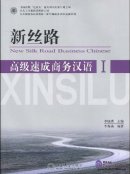
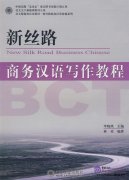
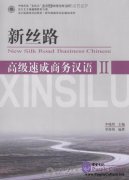
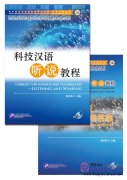
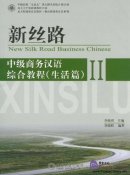
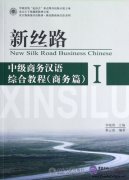
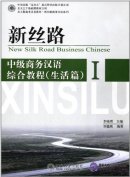
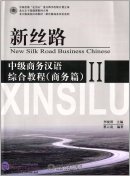
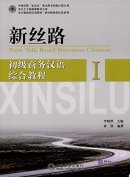
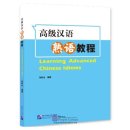
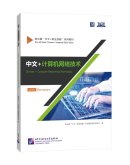
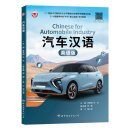
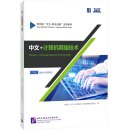
The “Access to Vocational Chinese” Series is a series of vocationalChinese language textbooks jointly developed by the Center for LanguageEducation and Cooperation of the Ministry of Education and the Talent Center ofthe Nonferrous Metals Industry. Based on the actual teaching development needsof “Chinese + Vocational Skills” in various countries and relying on Chinesevocational colleges, experts from various fields have been organized toparticipate in the development. Referencing the Chinese Proficiency Grading Standards forInternational Chinese Language Education and the Chinese Proficiency Standards for Vocational Education, the textbooksare divided into three levels: elementary, intermediate, and advanced. Eachlevel follows the compilation concepts of “integration of language and skills”and “easy to learn, convenient to teach, and practical to use”. According tothe typical work scenarios, work tasks, and frequently used expressions inrelevant occupations, sections such as texts, conversations, language points,and exercises are designed to continuously improve learners’ Chineseapplication proficiency and key technical abilities in the field of vocationaltechnology, providing assistance for learners to quickly get familiar with andadapt to the work environment.
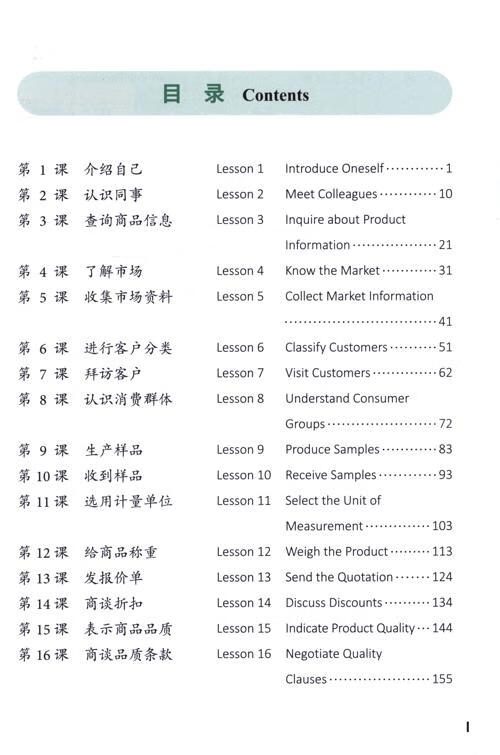
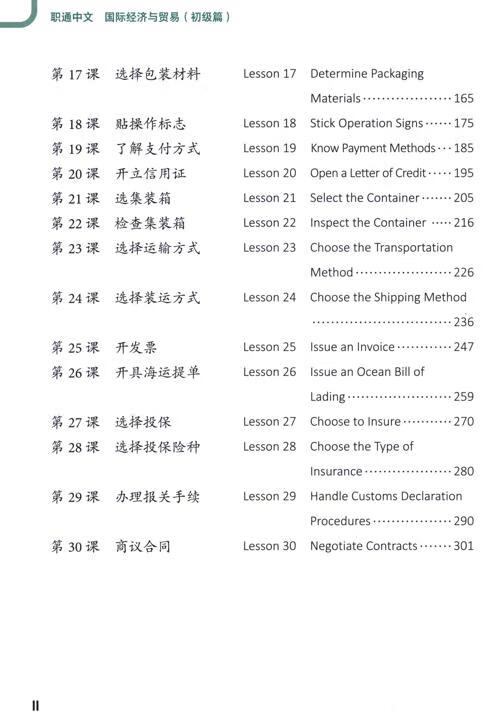
This volume, International Economics and Trade (Elementary),contains 30 lessons. The content covers the entire workflow and procedures of aforeign trade salesperson, including joining a new company, understanding themarket, communicating with clients, making quotations, negotiating prices,discussing contracts, making payments, packaging, transportation, filling outdocuments, applying for insurance, familiarizing with laws, and customsdeclaration. The “Vocational Expansion” section provides a large number of realwebsites, helping learners quickly grasp authentic business backgrounds.
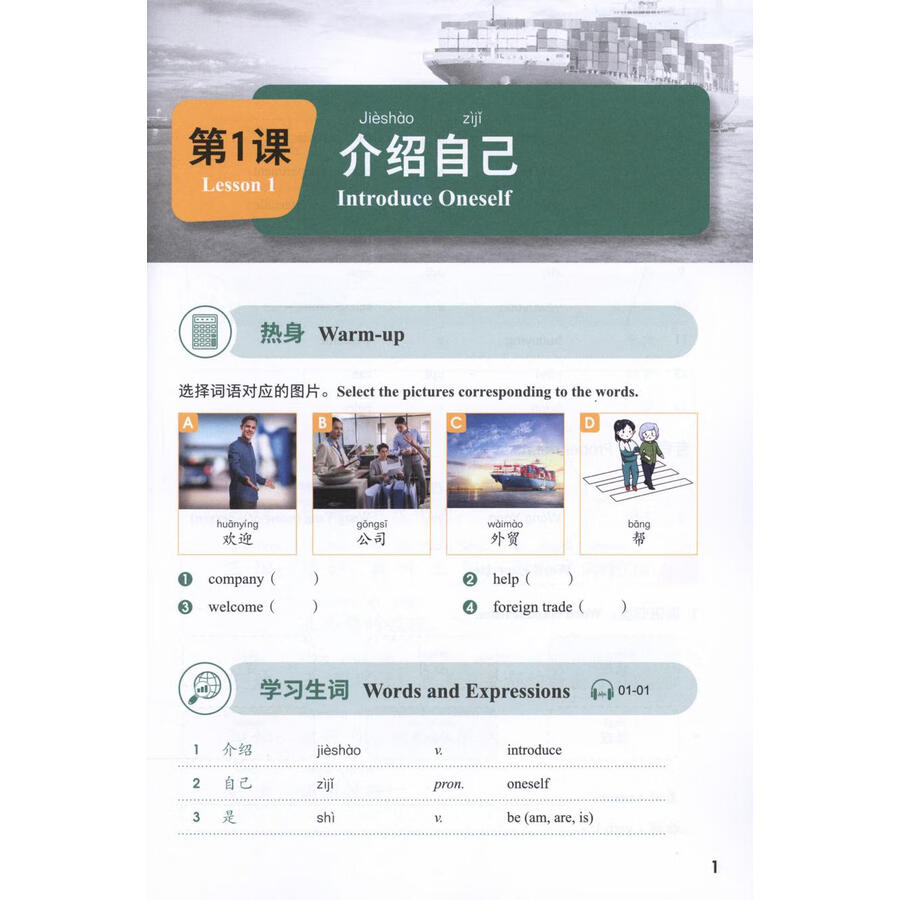
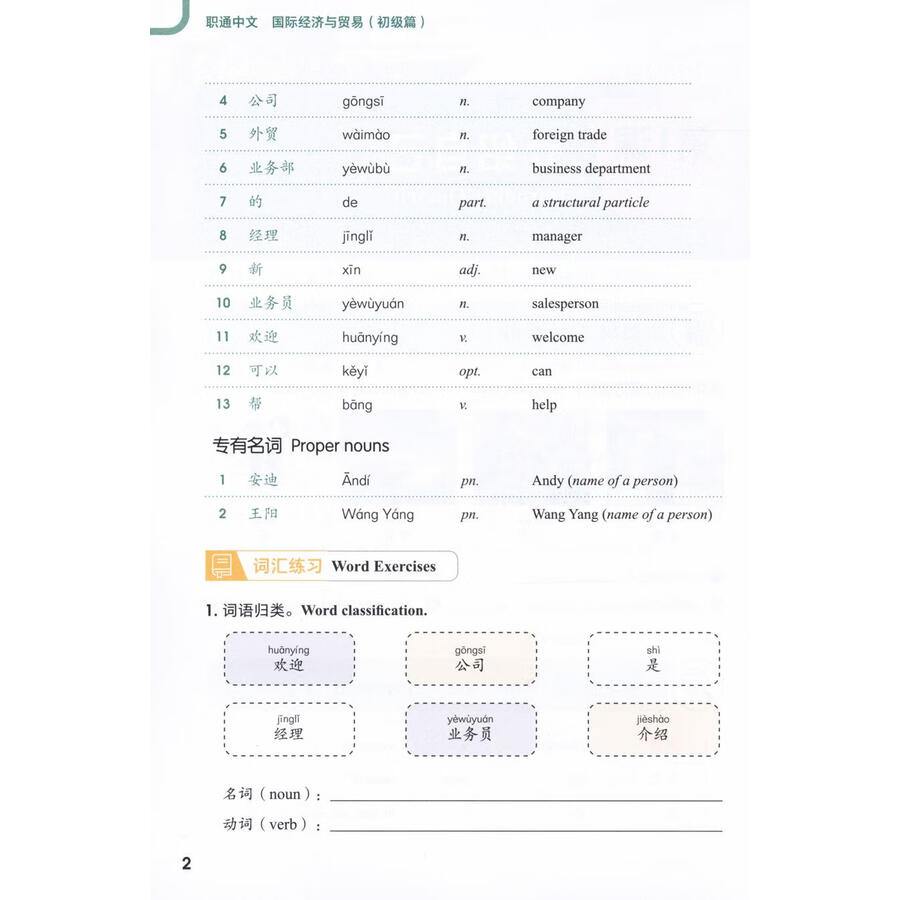
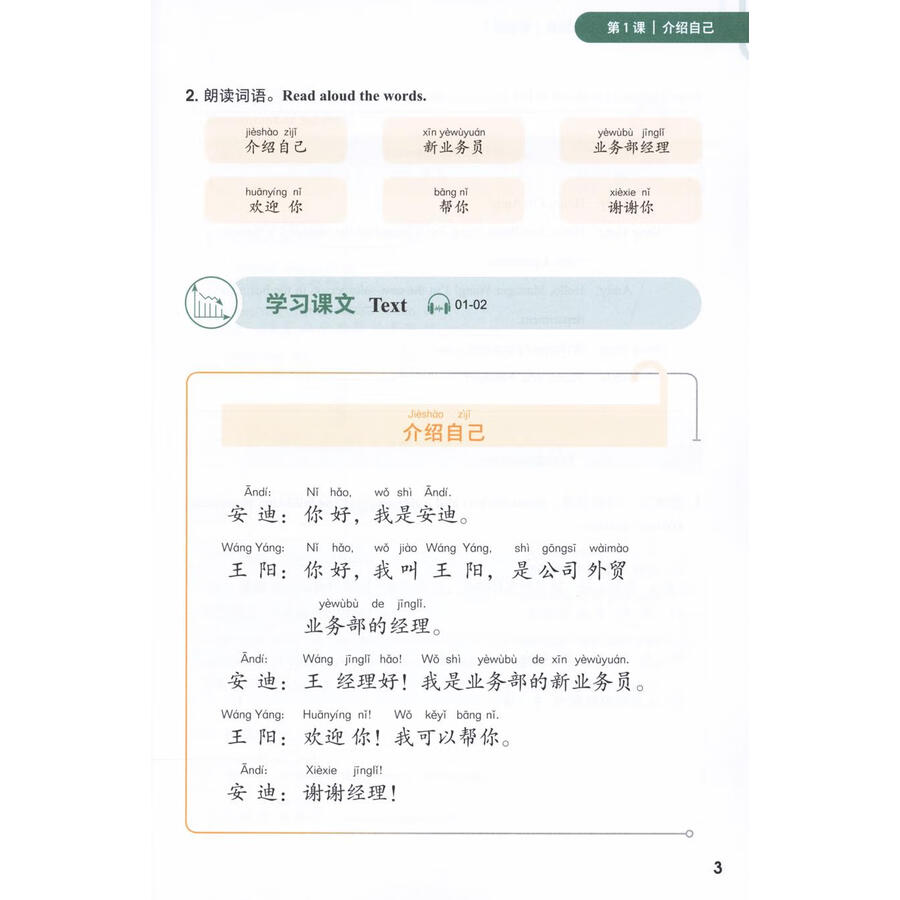
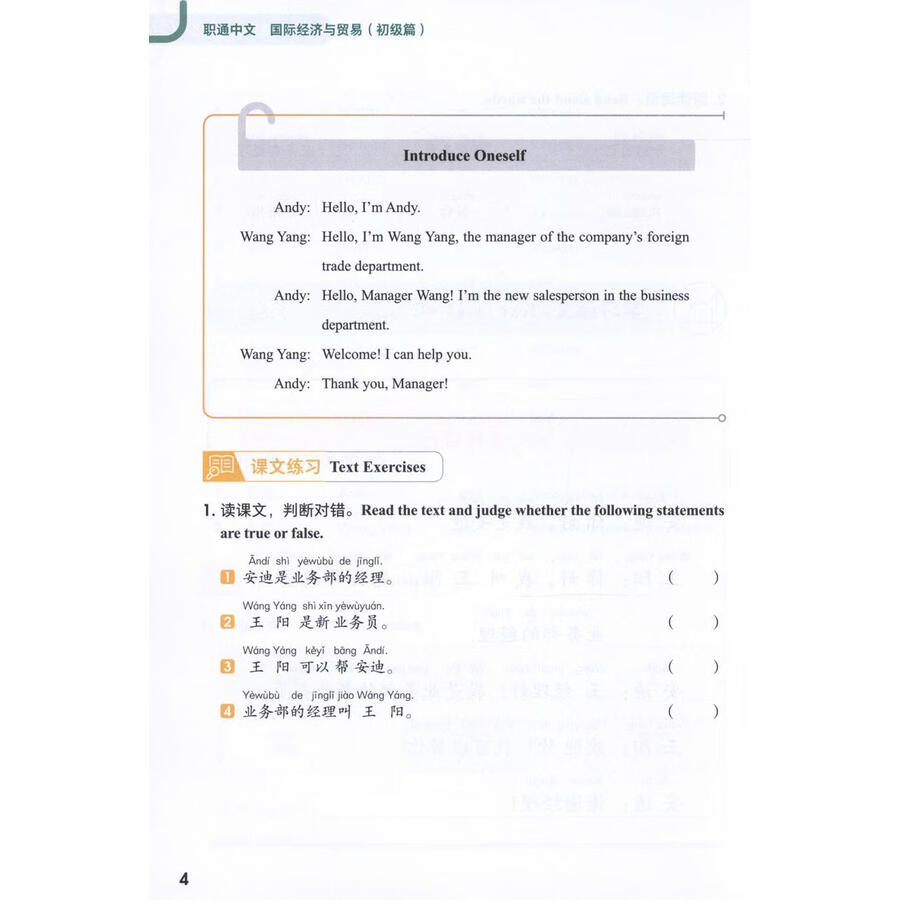
Adheringto the principle of equal emphasis on Chinese language and vocational skills,each lesson focuses on integrating several language skills with one typicalvocational skill. Meanwhile, the textbook is supplemented with Englishannotations, pinyin prompts, and numerous pictures to assist learners inquickly understanding the text content. In addition, it introduces richextended knowledge about international economics and trade as well as Chineseculture, aiming to broaden learners’ horizons.
1. Compiled with reference to the Chinese ProficiencyGrading Standards for International Chinese Language Education and the Chinese Proficiency Standards for Vocational Education;
2. Follows the compilationconcepts of “integration of language and skills” and “easy to learn, convenientto teach, practical to use”;
3. Designs teaching sectionsaccording to the typical work scenarios, work tasks, and frequently usedexpressions in relevant occupations;
4. Effectively improves learners’Chinese application proficiency and key technical abilities in the field ofvocational technology.
5. Adoptsa multi-dimensional design concept, equipped with various teaching resourcessuch as electronic coursewares, teaching plans, answer keys, and audios.
Yu Yunfeng, Chief Editor
Yu Tianqi and Chen Weichang, Deputy ChiefEditors
Expertsfrom Shandong Business Institute, Editors.
The textbook wascompiled under the editorship of Liu Jingguang and Zhang Yunsheng from ShandongBusiness Institute, with Yu Xingxiang and Song Suisui serving as associateeditors.
This book is suitable for local employees inmechanical manufacturing-related positions at overseas Chinese-fundedenterprises with zero foundation in Chinese language and skills, employees fromvarious countries engaged in mechanical manufacturing work in Chineseenterprises, international students in China, long-term and short-termtrainees, and learners interested in understanding Chinese language, culture,and mechanical manufacturing vocational skills.
It consists of 30 lessons in total, with each lessontaking 3 to 4 class hours.
Copyright © Purple Culture Co., Ltd. 2001 - 2026. All right reserved.