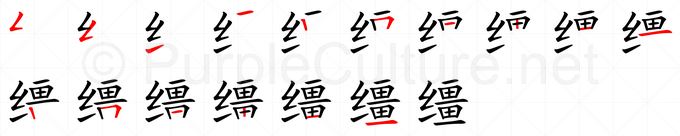
| 缰绳 | jiāng shéng | reins | |
| 信马由缰 | xìn mǎ yóu jiāng | to ride with lax reins; to give free rein to (one's imagination, etc.); to have no fixed opinion; to stroll about aimlessly; to act or do as one pleases | |
| 脱缰 | tuō jiāng | to throw off the reins; runaway (horse); fig. out of control | |
| 名缰利锁 | míng jiāng lì suǒ | lit. fettered by fame and locked up by riches (idiom); tied down by reputation and wealth; the victim of one's own success | |
| 脱缰之马 | tuō jiāng zhī mǎ | lit. a horse that has thrown off the reins (idiom); runaway horse; out of control |
| 1 | This way, your seat and rein aids will be quite powerful. | |
| 2 | Never tie by the bridle, either using the reins or tying the bit. | |
| 3 | Riding with both hands is obligatory in the test at all International Dressage Events. | |
| 4 | However, in Freestyle Tests riding with reins in one hand up to four movements is allowed( see Guidelines for Judges). | |
| 5 | English reins are one long leather strip that attaches to each side of the bit and hangs on the back of the horse's neck. |
Copyright © Purple Culture Co., Ltd. 2001 - 2026. All right reserved.