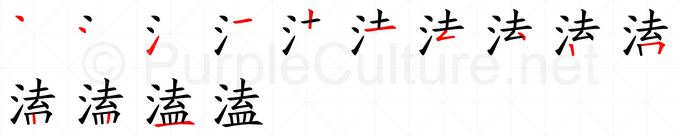
| 溘然 | kè rán | suddenly | |
| 溘然长逝 | kè rán cháng shì | to die unexpectedly (idiom) | |
| 溘先朝露 | kè xiān zhāo lù | the morning dew will swiftly dissipate (idiom); fig. ephemeral and precarious nature of human existence | |
| 朝露溘至 | zhāo lù kè zhì | the morning dew will swiftly dissipate (idiom); fig. ephemeral and precarious nature of human existence |
| 1 | Royal Highness the tomb after the horses, but also look strange, leaving a mystery, then to sons did, then Passed dies. | |
| 2 | But he died before he could complete it, and the sages were composed by his pupil Sussmayer. | |
| 3 | In the morning, when it was time to wake him and to wish him a Happy Christmas, it was found that Charlie had died in his sleep. He was eighty-eight years old. | |
| 4 | This is as beautiful as the tea are sweet taste of poetry, as if to see "is that the mysterious world, as fuzzy feeling increasingly clear in the poem, the poem, but Ke however check." | |
| 5 | Roy-Henry points to a series of anomalies surrounding Napoleon's death on the South Atlantic island of St. Helena in 1821, and the transfer of his remains to Paris 19 years later. |
Copyright © Purple Culture Co., Ltd. 2001 - 2026. All right reserved.